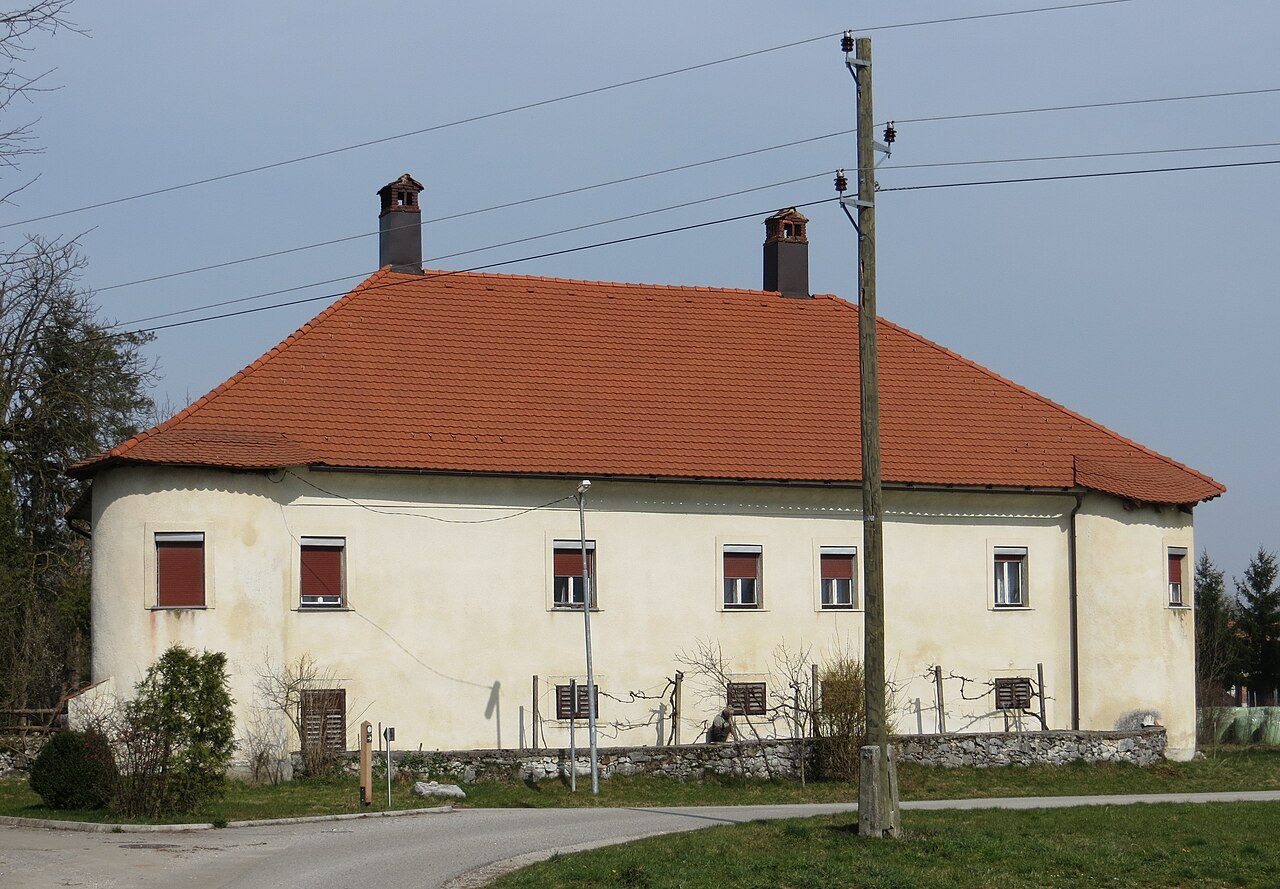
Mali grad is the site of a small castle near the village of Planina in the Primorsko-notranjska region, in the karst country of inner Slovenia. It is a quiet stop for those interested in the region's historic places and pairs well with exploring the surrounding Planina area. Plan it as a short walk from the village rather than a full day out.
Castles within an hour or two of Logatec
148 places, nearest first; times are estimates — the planner times the real roads.
Within an hour
Haasberg Manor is a former mansion near Planina in the Inner Carniola region of Primorsko-notranjska, close to Planinsko polje. Today it stands largely as a ruin, its walls and outline still showing the scale of the old estate. It makes an easy stop on a day out around Planina and the karst field below.
The ruins of Postojna Castle, known in German as Adelsberg, are the remains of a medieval stronghold on the hill above the town of Postojna. It is a quiet spot to see what is left of the castle that gave the town its old name and to look out over the surrounding karst landscape. The ruins lie in the Primorsko-notranjska region and are reached on foot by a short uphill walk from Postojna.
Predjama Castle is a medieval fortress built into the mouth of a cave halfway up a sheer cliff face. Its setting, with the castle walls merging into the rock and a cave system behind them, makes it one of the most recognisable sights in Slovenia. It lies in the Primorsko-notranjska region, a short drive from Postojna, and is often combined with a visit to Postojna Cave.
Polhov Gradec Castle is a castle ruin above the settlement of Polhov Gradec, in the Municipality of Dobrova–Polhov Gradec in central Slovenia. It is located on Calvary Hill immediately northwest of the town center.
Gewerkenegg Castle is a castle in the town of Idrija, in the Goriška region of western Slovenia. Its history is tied to the town's long mercury-mining past, and today it houses the Idrija municipal museum. It stands in the centre of Idrija, so a visit fits easily into a walk around the old mining town.
Trilek Castle, also known as Old Castle, is a small castle or fort in the settlement of Col, in the Municipality of Ajdovščina in southwest Slovenia. Built in the early 16th century, it was first mentioned in the 17th-century historian Johann Weikhard von Valvasor's 1689 survey The Glory of the Duchy of Carniola.
Prestranek Castle (Grad Prestranek) is a historic manor in the village of Prestranek in the Primorsko-notranjska region, in the Pivka valley south of Postojna. It is a quiet stop for those interested in the rural heritage of inner Carniola, away from the busier sights nearby. The castle is easy to combine with a visit to Postojna, a short drive to the north.
Dvorec Visoko is a manor house in the Poljane Valley of the Gorenjska region, west of Škofja Loka. It is known as the home of the writer Ivan Tavčar, and the estate gave its name to his novel Visoška kronika. The manor sits in open countryside near the village of Poljane, a good stop on a drive or easy walk through the valley.
Bokalce Castle is a historic manor building on the western edge of Ljubljana, in the Osrednjeslovenska region. It is a small stop for those interested in the old estates that once surrounded the capital. The castle lies within the city, so it is easy to combine with a walk or bike ride through Ljubljana's outskirts.
Lanthieri Manor is a historic manor house in the town of Vipava, in the Goriška region of western Slovenia. It stands in the centre of the small town in the Vipava Valley, so a visit fits easily into a short stroll through the old streets nearby.
Brest Castle, also known by its German name Ebenporthen, is a manor house in the village of Brest south of Ljubljana, on the edge of the Ljubljana Marshes in central Slovenia. It is a modest historic estate rather than a fortress, worth a short stop when exploring the flat countryside around Ig. The area suits easy walks or bike rides along the marsh roads.
Worth the longer drive
A historic site in Koper, the coastal town on Slovenia's short stretch of the Adriatic. The place belongs to the old fortified heritage of the town and is a good stop when exploring the historic centre on foot. Koper lies in the Obalno-kraška region, close to the Italian border and the other coastal towns of Izola and Piran.
Center odpora 2 is the site of a former military strongpoint on Bogatinsko sedlo, a high mountain saddle in the Julian Alps in the Goriška region. Its name, meaning resistance centre, reflects the defensive role this border ridge once had, and the remains sit in open alpine terrain. Reaching it means a proper mountain hike, so plan for high-altitude trails and changeable weather.
Center odpora 1 is a former military fortification at Bogatinsko sedlo, a mountain pass in the Julian Alps in the Goriška region. The remains of the defensive position give a sense of how this high crossing was guarded, set among open alpine terrain. Reaching it means a mountain hike, so plan for a full day on foot with proper footwear.
Gravisijev grad is a historic castle building in the City Municipality of Koper, in Slovenia's coastal-karst region. It is worth a stop for anyone interested in the older architecture of the Slovenian coast. It lies in the Koper area, close to the Adriatic shoreline, and can easily be combined with a walk through the town.
Gravisijev grad is a castle building in the City Municipality of Koper, in Slovenia's coastal-karst region. The name refers to the Gravisi, a noble family of Koper, which gives the site a link to the town's Venetian-era past. It lies in the hinterland of the Slovenian coast, a short drive from Koper, and can be combined with a walk in the surrounding countryside.
Kolovrat is a village in the Zagorje ob Savi municipality in the Zasavje region, listed here as a castle site. The place is tied to the historic Kolovrat estate in the hills above the Sava valley. It makes a short detour from Zagorje ob Savi for those exploring the countryside of central Slovenia.
Gamberk Castle (Grad Gamberk) is the ruin of a medieval castle on a forested hill in the Zasavje region of central Slovenia. It suits visitors who like quiet hilltop remains combined with a walk through the woods. Expect a hike on forest paths rather than a visitor site with facilities, so wear sturdy shoes.